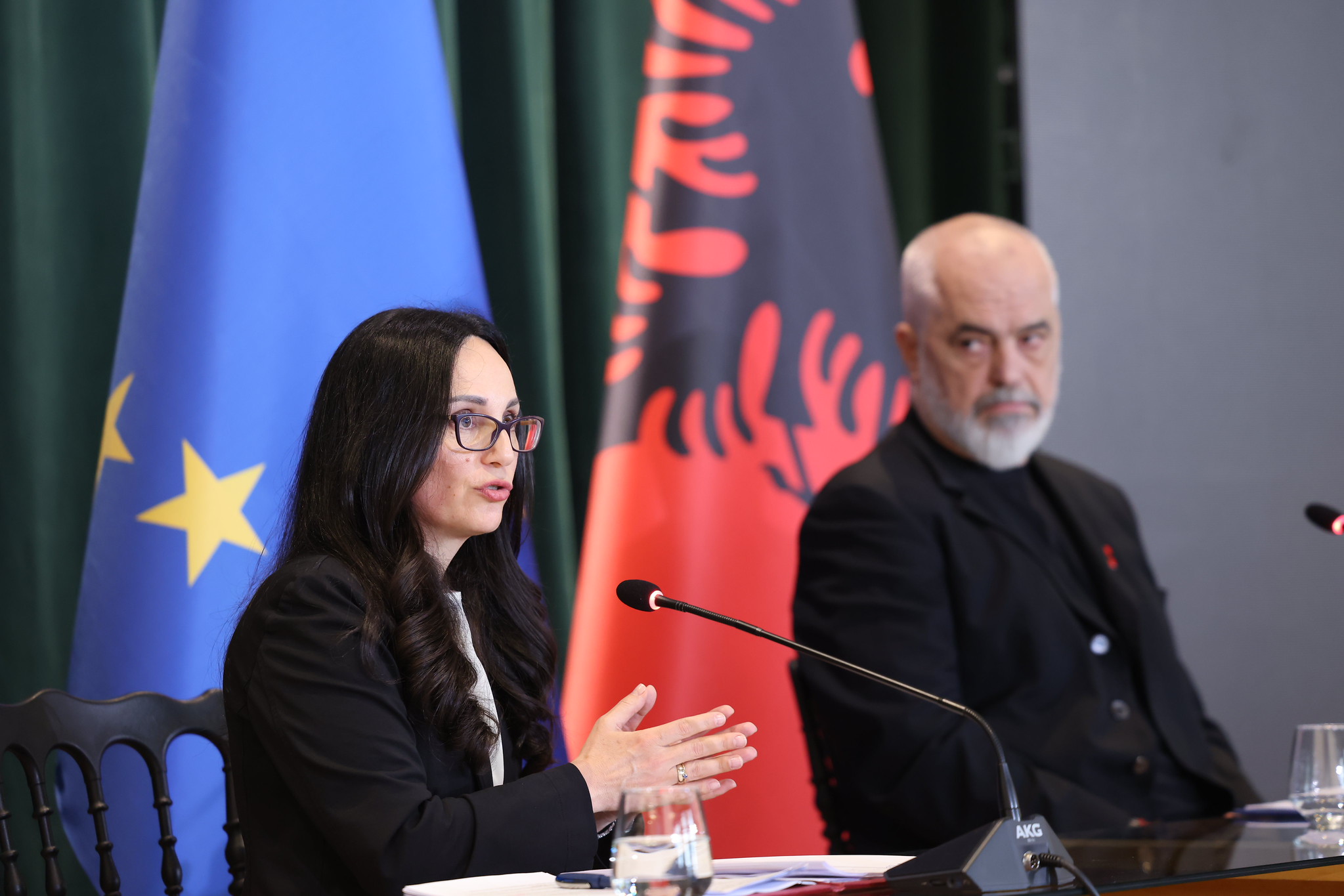
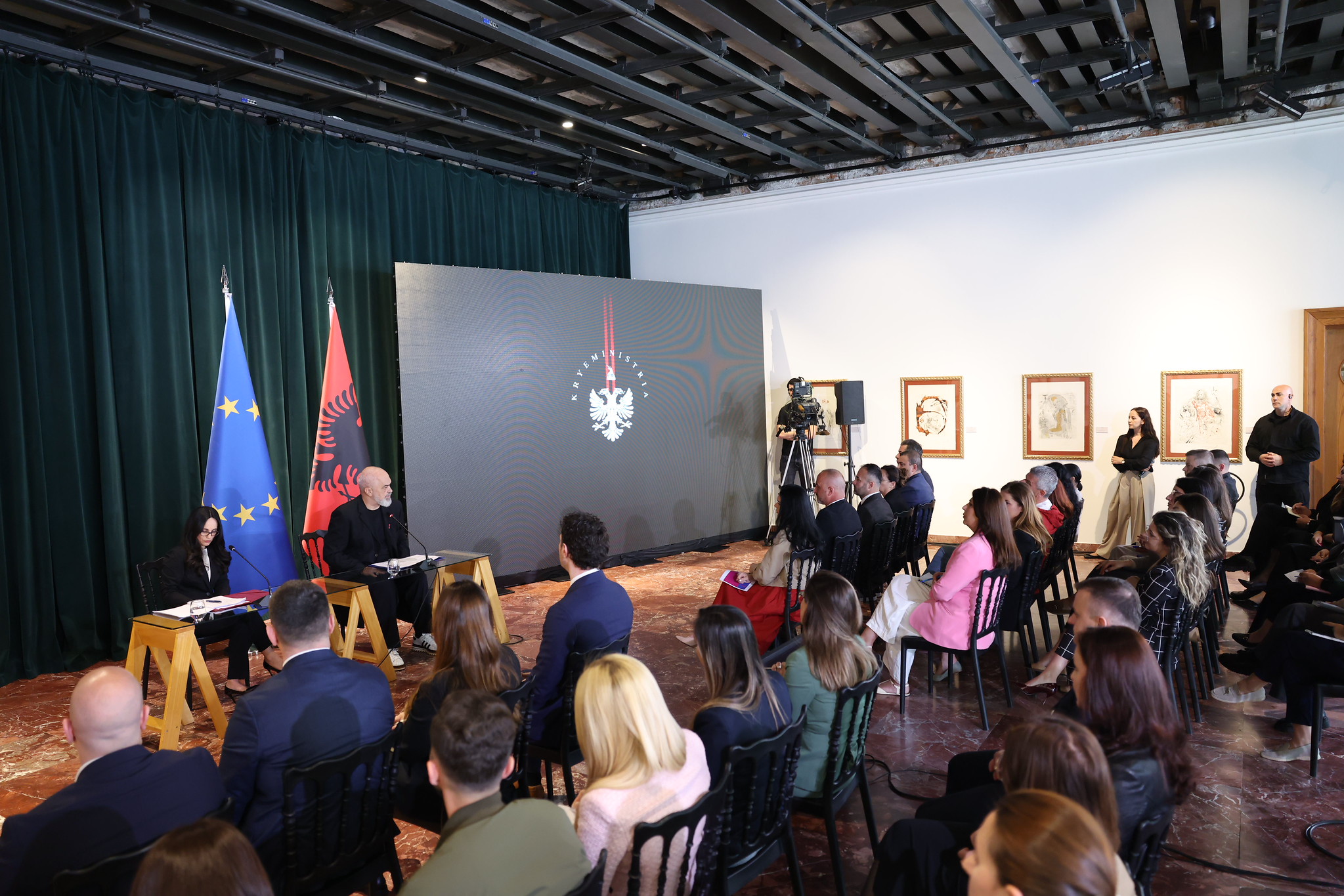
Kryeministri Rama mbajti sot një konferencë për shtyp ku ndau fakte, lidhur me ecurinë e Prokurimeve Publike në vend dhe pozicionimin e Shqipërisë në këtë rrugëtim, si rezultat i një reforme modernizuese antikorrupsion.
Së bashku me kryeministrin në konferencë ishte edhe Drejtorja e Përgjithshme e Agjencisë së Prokurimit Publik dhe njëkohësisht negociatore për Kapitullin 5 për anëtarësimin e Shqipërisë në BE, Reida Kashta.
Kryeministri Edi Rama: Mirëdita! Sot jemi këtu për të ndarë me publikun disa fakte, sipas nesh shumë domethënëse, për ecurinë e jashtëzakonshme të Shqipërisë në fushën e prokurimeve publike dhe për sa dhe si, kjo ecuri vlerësohet objektivisht nga partnerët tanë, ashtu sikundër edhe për çfarë hapash ne do të bëjmë më tej.
Në ndërkohë dua, duke qenë se janë të pranishëm, t’i falënderoj të gjithë ata që janë pjesë e grupit drejtues dhe ekspertëve të prokurimeve, për punën e jashtëzakonshme që kanë bërë dhe po e nis me diçka, që bazuar në fakte besoj vlen si hyrje në këtë temë.
Janë disa fjali që mund të tingëllojnë sikur fliten për Shqipërinë, por në fakt janë fjali të nxjerra nga një raport i detajuar i Gjykatës Evropiane të Llogarive për vendet e BE lidhur me prokurimet publike. I sjell në vëmendje për të vendosur në një kontekst bashkëbisedimin e sotëm, por edhe për të pasur një pamje të pozicionit ku ndodhet Shqipëria në raport me një tematikë nga më të rëndësishme e procesit të anëtarësimit dhe nga më të rëndësishmit për vetë familjen evropiane, për të ndarë me publikun, kënaqësinë e vlerësimeve të njëpasnjëshme që i janë bërë Shqipërisë së fundmi, bazuar po mbi fakte.
Raporti flet për një nivel konkurrence për kontrata publike në rënie gjatë viteve të fundit, flet për një mungesë ndërgjegjësimi, lidhur me faktin që konkurrenca është një parakusht kyç për vlerën e parasë në prokurimet publike, flet për treguesit kyç për matjen e konkurrencës që mbeten të pakënaqshme në shumicën e shteteve anëtare; flet për mbi 40% të garave të bëra me vetëm një ofertues, për një periudhë 10- vjeçare; flet për një mungesë konkurrence që ndikon në çmimet dhe në kostot dhe për një kohëzgjatje mesatare të procedurave të prokurimit të rritur me rreth 50%. Ndërkohë që, shkalla e publikimit dhe pjesëmarrja e ndërmarrjeve të vogla dhe të mesme mbeten në nivele të pakënaqshme. Këto janë vetëm disa nga konkluzionet e raportit të Gjykatës Evropiane të Llogarive për vendet e BE.
Ndërkohë që nëse e vendosim në kontekst pozicionin e vendit tonë, në indikatorët thelbësore që përcakton BE, konkurrueshmëria dhe po të shohim në tabelën e konkurrueshmërisë, pozicionin e vendit tonë, nëse në mesatare kontratat me një ofertues të vetëm përbëjnë 32.3% të kontratave në vendet e Bashkimit Europian, për Shqipërinë ato janë në masën 23.5% dhe nëse në pasqyrën e përgjithshme te shteteve anëtare, janë një grup i madh vendesh që fillojnë nga 57.4% e zbresin deri në 35.8%, Shqipëria është midis tyre dhe vendeve si Suedia, 22.9%; Gjermania 22.6%; Finlanda 20.3%; Franca 20% dhe vendi ynë është mbi këto me shumë pak, pra 23.5%.
Edhe në numrin e ofertuesve për procedurë, që raporti e përcakton si 3.2 ofertues për procedurë në mesataren e BE, Shqipëria është 3.7 ofertues mesatarisht dhe më tutje, në Shqipërinë e vitit 2025, numri i prokurimeve për punë publike që janë mbyllur me fitues dhe kanë patur vetëm një ofertues, është saktësisht 12% ndërkohë që në raportin e Gjykatës Europiane, përcaktohet se mesatarja e vendeve të BE, është 14%.
Të gjitha këto nuk duan të thonë asgjë më shumë dhe asgjë më pak sesa faktin që mbi fakte, Shqipëria është në një fazë shumë të avancuar të përparimit në këtë fushë dhe nga ana tjetër, të pozicionimit në tryezën e negociatave me Bashkimin Europian.
Këtu jam bashkë me drejtuesen e Agjencisë së Prokurimit Publik e cila është edhe njeriu që udhëheq këtë proces prej një sërë vitesh, duke luajtur një rol kyç në këtë transformim, por është edhe negociatorja e Shqipërisë me Bashkimin Europian, për kapitullin 5 ku përfshihet e gjithë kjo fushë me të gjitha tematikat e veta.
Reida do të bëjë një prezantim më të detajuar, duke u nisur nga konkluzionet e nxjerra prej partnerëve tanë, jo thjesht nga konkluzionet e nxjerra prej të dhënave të marra dhe të procesuara prej nesh vetë.
* * *
Drejtorja e Përgjithshme e Agjencisë së Prokurimit Publik dhe njëkohësisht negociatore për Kapitullin 5 për anëtarësimin e Shqipërisë në BE, Reida Kashta:
Faleminderit zoti kryeministër! Sikurse u tha prokurimi publik është një kapitull i posaçëm në procesin e integrimit europian dhe është vendosur në metodologjinë e re të BE tek grupkapitujt themelorë, duke i dhënë këtij kapitulli një rol shumë të rëndësishëm se të gjithë e dimë se tek grup kapitujt themeloret janë gjithë kapitujt që hapen të parët dhe mbyllen të fundit, konsiderohen si kapituj që janë pasqyra e funksionimit të një shteti.
Në këtë kuptim ky kapitull merr një rol dhe një rëndësi shumë të madhe dhe sigurisht na ngarkon ne me një përgjegjësi më të madhe.
Jemi aktualisht duke zhvilluar negociatat në dy drejtime në fushën e prokurimit publik.
Fusha e parë është procesi i prokurimit dhe kapitulli 5. Një nga kapitujt të cilët u hap ndër të parët dhe një nga kapitujt, të cilët nuk morën kushte të ndërmjetme për hapje, kanë vetëm kushte mbyllëse. Dhe kjo është një nga po themi treguesit e parë që ky kapitull ka qenë në një nivel përgatitje të mirë dhe mjafton që të përmbushim kushtet e mbylljes për të mbyllur kapitullin.
Kjo është një nga sfidat tona për të cilët po punojmë aktualisht për mbylljen e kapitullit dhe çështja tjetër me të cilën po negociojmë është aderimi i Shqipërisë në marrëveshjen qeveritare të prokurimit publik që është nën organizatën botërore të tregtisë. Dhe ky proces po zhvillohet nën koordinimin e BE dhe edhe në këtë proces ne kemi një arritje të qenësishme sepse BE gjatë zhvillimit të negociatave është shprehur pa asnjë rezervë që Shqipëria, sistemi i prokurimit publik shqiptar është gati të bëhet pjesë e kësaj marrëveshje qeveritare bashkë me organizatën botërore te tregtisë, duke i kërkuar gjithë palëve të tjera që të shprehin gatishmërinë dhe miratimin për Shqipërinë, të marrë pjesë në këtë proces.
Kushtet mbyllëse të kapitullit 5 janë tre:
1.Shqipëria përafron plotësisht kuadrin ligjor kombëtar me acqui të BE-së.
2.Shqipëria vendos kapacitetet e duhura administrative, institucionale në të gjitha nivelet.
3.Shqipëria demonstron gjitha të dhënat e qëndrueshme.
Pra kemi tre shtylla kryesore që do të thotë, ligj të mirë, institucione të mira, të dhëna që na tregojnë që performanca është arritur. Në të treja dimensionet ne po punojmë.
Aktualisht po mbyllim ndryshimet ligjore për ta përputhur 100% legjislacionin tonë me atë të BE-së. Kemi gati materialin për BE për dy kushtet e tjera, gati materiali shpjegues sesi ne kemi kuadrin institucional dhe kapacitetet, gati materialin shpjegues me të dhëna për 5 vite me një dashboard nga 2022 në 2025 për ta përcjellë pranë BE.
Në marrëveshjen e dytë që ne po negociojmë, marrëveshja është e nivelit global, shkon dhe përtej BE-së. BE është një nder palët e kësaj marrëveshje dhe është shumë e rëndësishme për ne të marrim OK e BE për të hyrë në këtë marrëveshje sepse nënkupton që BE e konsideron sistemin e prokurimit publik në Shqipëri të maturuar në nivel të shteteve anëtare të kësaj marrëveshje ku mund të përmend SHBA, mbretërinë e bashkuar, BE që përfaqëson 27 shtetet e veta, Australi, Kanada, Japoni etj.
Është një marrëveshje e nivelit global që na vendos ne në një mundësi ballafaqimi edhe përtej BE-së.
Ky është një nga treguesit, jo vetëm për kapitullin 5 të Prokurimit Publik, por gjithashtu edhe për kapitujt e tjerë në procesin e negociatave me Bashkimin Europian. Në këtë metodologji risku për të cilën kemi marrë edhe asistencën e ANAK-UT, kolegëve tanë homologë në Itali të agjencisë AntiKorrupsion për prokurimin në Itali, gjithashtu edhe mbështetjen e përfaqësisë së OSBE-së në Shqipëri, kemi arritur ta ngremë këtë vlerësimin e riskut në një nivel metodologjik duke e ndarë në dy shina kryesore. Do vlerësojmë rriskun në nivel makro bazuar në të dhënat e Agjencisë Prokurimit Publik dhe në nivel mikro individual duke vlerësuar elementët e riskut në çdo institucion që zhvillon procedurat e prokurimit dhe është një nga proceset që do të bëjmë në 2026-n, këto janë të dhënat përsa i përket profesionalizimit.
Në 2025-ën jemi përfshirë për herë të parë gjithashtu me një pyetësor të zhvilluar nga OECD për çështjen e profesionalizimit dhe ë është vlerësuar në fund të pyetësorit dhe të analizës që Shqipëria renditet ndër vendet me sistem të detyrueshëm certifikimi në linjë me disa nga vendet e BE-së dhe vende të tjera në zhvillim dhe i vetmi vend i cili aplikon për katër nivele certifikatat fillestar, mesatar, avancuar, ekspert, model ky që e kemi bazuar ar në modelin e Bashkimit Europian Procure.com.eu.
Sa i përket metodologjisë së riskut, metodologjia është e publikuar në faqen tonë dhe në faqen e APP, e Ministrisë për Administratën Publike dhe Antikorrupsionin dhe ka filluar puna për vlerësimin e riskut në të dyja nivelet, në nivelin e përgjithshëm dhe në nivel individual, ku për herë të parë do fillojmë ta aplikojmë me organin qendër blerës, si një nga institucionet që kryen më shumë procedura prokurimi për të matur vetveten me treguesit që kemi miratuar në metodologji. Pasi e shohim veten në pasqyrën e vlerësuesve të organizmave ndërkombëtarë, e shohim dhe me iniciativat e reja që kemi marrë këtë vit, këtu do paraqes shkurtimisht disa nga treguesit ndër vite, treguesit kryesorë që i referohen ë ecurisë, progresit të sistemit të prokurimit publik në Shqipëri.
Një nga treguesit kryesorë, i cili ka qenë një nga treguesit e nxjerrë në çdo progres raport si një nga problemet madhore të sistemit të prokurimit publik në Shqipëri ka qenë niveli i përdorimit të procedurës me negocim pa shpallje. Në të dhënat tona që i masin nga 2010 e në vijim për një periudhë të konsiderueshme kohore kjo procedurë zinte rreth 30% të procedurave që zhvillohen në të gjithë Republikën e Shqipërisë. Në 2017 u ndërmor një reformë për ta minimizuar zhvillimin e kësaj procedure dhe për të nxitur zhvillimin e procedurave konkurruese e cila ka dhënë rezultatet e veta. Tashmë rezultatet janë absolutisht të qëndrueshme në kuptimin që duke e ç’bërë këtë si një problem. Nuk ekziston më si problem, ka marrë vlerësimet e veta në progres raport. Ky kjo ky zhvillim në sistemin e prokurimit në Shqipëri. Negocimi pa shpallje tashmë është jo vetëm shumë i ulët, por është nën mesataren e vendeve të BE-së për këtë tregues.
Ne e kemi për 2025-ën 2.4% në Numër absolut në 2025-ën ka qenë numri më i ulët i procedurave me negocim, 105 procedura ndaj totalit të zhvilluar. Në përqindje zë vetëm 2.4% të të gjithë procedurave, mesatarja e BE-së ndërkohë është 5.6% e procedurave. Besoj që tashmë kemi arritur që ta vendosim këtë tregues në normalitet për të gjitha palët. Pra nuk është më çështje për diskutim as nga ne që e kontrollojmë dhe monitorojmë, as nga autoritetet kontraktore që e zbatojnë si proces dhe detyrim.
Kemi rritur në mënyrë të qëndrueshme përdorimin e marrëveshjeve, është një mjet i përdorur prej kohësh në vendet e Bashkimit Europian dhe i përdorur për të rritur performancën e sistemit të Prokurimit Publik duke nxitur konkurrencën dhe përdorimi i kësaj marrëveshje kuadër në koherencë me uljen e numrit të procedurave negocim pa shpallje ka sjellë rezultatet që ne kemi sot e përdorim marrëveshjen kuadër si mekanizëm ta realizojmë konkursin dhe ndërkohë ta marrim produktin, nevojën ta plotësojmë vetëm atëherë kur na duhet realisht.
Treguesit janë të qëndrueshëm tashmë dhe për këtë mjet. Sigurisht që ka luhatje vit pas viti. Kjo varet nga nevojat e autoriteteve kontraktore dhe nga kohëzgjatjet e marrëveshjeve kuadër. Në 2024-n kemi numër të lartë sepse tregon që ka mbaruar cikli i marrëveshjeve të mëparshme të lidhura që janë dy deri në tre vjeçare dhe ka rifilluar një cikël i ri përmbushjen e nevojave për dy tre vitet në vijim.
Përmirësimi i mesatares së ofertave të dorëzuara është një nga treguesit kyç për performancën e një sistemi prokurimi publik. Nëse kemi konkurrencë apo nuk kemi konkurrencë, nëse të gjitha veprimet tona e kanë dhënë rezultatin apo jo te konkurrenca.
Kemi një përmirësim nga viti 2021 drejt vitit 2025. Nga 2.5 që kemi pasur në 21-in e kemi çuar në 3.7 në 2025. Është një sfidë e vazhdueshme, nuk mund të themi asnjëherë që kemi mbaruar punë as për këtë tregues. Është sigurisht sfidë jo vetëm në Shqipëri, por në të gjitha vendet e Bashkimit Europian, edhe për këtë tregues, një pasqyrë tjetër ku shihet ky tregues është numri i procedurave apo përqindja e procedurave me një ofertues. Janë procedura konkurruese, përfundojnë me një ofertues dhe në Shqipëri në 2025-ën ky është 23.5% ndërkohë që mesatarja e vendeve të BE-së për këtë tregues është rreth 32.2% që do të thotë është një çështje e ekzistuese ekziston në të gjitha vendet e Bashkimit Europian, secili prej nesh, përfshirë dhe vendet e Bashkimit Europian, ne kemi sfidë të vazhdueshme të nxisim konkurrencën që mund të vijë për arsye të ndryshme.
* * *
Kryeministri Edi Rama: Faleminderit, Reida. Kishte dhe shumë të dhëna të tjera, por ne u përpoqëm ta bëjmë sa më të përmbledhur këtë pasqyrë. Një e dhënë, për shembull që është një tregues shumë i rëndësishëm i këtij transformimi, është rritja e ndjeshme e numrit të kompanive fituese, jo në vlera absolute, por në raport me numrin e procedurave. Pra, ka shumë më tepër akses në kontratat publike, gjë që si gjithë kjo pasqyrë, kundërshton shumë fort narrativën e jetës së përditshme mediatike, por që siç mund ta keni parë edhe nga pasqyra analitike e publikuar para disa ditësh nga ana ime, pasqyrë që do ta publikojmë rregullisht, është një narrativë e imponuar nga një shumicë e qëndrueshme burimesh, që janë haptazi kundër qeverisë, një tregues shumë pozitiv për faktin se jetojmë në një atmosferë totalisht demokratike në këtë aspekt dhe një anomali në raport me vendet e Bashkimit Europian, por një anomali e bukur sipas këndvështrimit tim, por që i hedh poshtë të gjitha pretendimet për media të kapura e për lloj-lloj broçkullash të tjera.
Ndërkohë dua të bëj një plotësim me pjesën ku e mbylli Reida, sepse mund të jetë krijuar një opinion sikur Diella bën punën që ka bërë më parë dhe fle. Në fakt jo, ne tanimë jemi në një fazë të re të procesit, pasi janë hartuar gjatë gjithë kësaj periudhe 450 faqe specifikime teknike shumë të detajuara, për të cilat kanë punuar ekspertë të zotë vendas dhe këto faqe janë vënë pastaj nën shqyrtimin e Bankës Botërore, që ka dhënë pak ditë më parë, dritën jeshile, pa kundërshtime pra atë certifikimin pa kundërshtim “no objection’’ të çdo projekti, ku Banka Botërore merr pjesë me financim dhe tanimë, jemi gati të kalojmë në fazën e ndërtimit të një sistemi absolutisht inovativ, të prokurimit elektronik, një sistem unikal, me inteligjencë artificiale, në ndërkohë që siç e kam thënë dhe në raste të tjera, ekspertët tanë nuk kanë punuar në një ishull të izoluar, po kanë ndërvepruar me ekspertë, qoftë të fushës së prokurimit, qoftë me ekspertë të fushës së inteligjencës artificiale, në një sërë vendesh; është bërë këtu në Shqipëri dhe një “workshop” intensiv me 16 vende, të cilat kanë elementë të inteligjencës artificiale në proceset e prokurimit, por projekti ynë është i pari i këtij lloji, sepse synon që të gjithë elementët e procesit t’i vendosë në një zinxhir dhe të mundësojë prokurimin me inteligjencë artificiale në një masë shumë të madhe të procesit dhe të bëjë të mundur që asnjë biznes, të mos detyrohet më, të mbledhë letra lart e poshtë për prokurimet publike; asnjë nëpunës të mos ketë më në dorë të luajë me letrat e biznesit, por të gjitha të dhënat, të mblidhen nga vetë Diella prej mbi 40 regjistrave publikë që tanimë janë të digjitalizuar dhe pastaj të jenë në dorën e biznesit për t’i aktivizuar vetëm me një “click”, një proces që do të shkojë nga studimi i tregut, tek dorëzimi ofertave, monitorimi i kontratave dhe çdo ndërveprim do të jetë vetëm në ekran, totalisht transparent dhe i gjurmueshëm.
Kjo do të bëjë që për institucionet publike të mbyllet një herë e mirë dhe kapitulli i problematikave të gjithfarëllojshme për hartimin e specifikimeve teknike, llogaritjes së fondit limit, shqyrtimit të ofertave dhe vlerësimit të tyre.
Diella do ta bëjë të gjithë këtë volum me algoritme inteligjente shpejt, saktë dhe paanshmërish, por e përsëris, i gjithë procesi do të jetë plotësisht i gjurmueshëm dhe për këdo që do të ketë pretendime, do të jetë plotësisht e mundur që të rikthehet në pikën e nisjes për të parë të gjithë procesin manualisht.
Sistemi është planifikuar të ndërtohet me parimet më të larta të transparencës të shkruara nga institucionet dhe organizatat ndërkombëtare. Të gjitha publikimet do të mbështeten në format elektronike të Bashkimit Europian dhe çdo njoftim do të publikohet njëkohësisht dhe në platformën qendrore europiane “Tender European Daily”.
Kështu që, do të jemi tërësisht në një fazë tjetër dhe jo në 10-vjeçarin tjetër, por brenda këtij mandati për Shqipërinë në BE në vitin 2030 dhe ky sistem nuk është thjesht një projekt teknologjik, por është një manifest i vullnetit tonë kombëtar dhe i kësaj shumice qeverisëse për Shqipërinë shtet evropian në Bashkimin Europian dhe Diella faktikisht do të shënojë kapërcimin nga një epokë në një epokë tjetër të bërjes biznes. Është një përmbysje totale e një sistemi dhe një reflektim në Shqipëri, i gjithë asaj që teknologjia u jep vendeve dhe mbi të gjitha vendeve si yni, vendeve në zhvillim që përmes teknologjisë kanë shanse të papara në historinë e njerëzimit për të bërë kapërcime, të cilat pa teknologjinë do të ishin thjesht të pamundura. I them të gjitha këto edhe sepse ne do të prezantojmë planin tonë, natyrisht të detajuar, në javët në vijim siç e kemi planifikuar, por kam dhe një arsye tjetër, pasi do të nisim nga rekrutimi i specialistëve të teknologjisë digjitale për këtë projekt dhe jo vetëm për këtë projekt. AKSHI tanimë nuk është një dhe i vetëm.
AKSHI tanimë nuk është një dhe i vetëm. AKSHI do të funksionojë i ndarë me një shoqëri të re publike, Albanian Digital Solutions, e cila do të jetë një kompani 100 % shtetërore, e cila di të synojë e para, të rekrutojë më të mirët e tregut dhe t’i paguajë më mirë se çdo kompani në treg dhe e dyta të bëhet një forcë udhëheqëse në tregun e teknologjisë, duke qenë njëkohësisht forca që shtyn agjendën e një shteti që po transformohet dhe që falë teknologjisë synon të bëjë kapërcime të mëdha në të gjitha fushat. Kjo është pak a shumë paraqitja.
Duke dashur të bëj edhe një nënvizim tjetër përpara se ta mbyll, tek kursimet që soli në vëmendje drejtorja e Agjencisë ka një rol të posaçëm Operatori i Blerjeve të Përqendruara, është këtu i pranishëm përmes drejtueses dhe stafit drejtues. Operatori i Blerjeve të Përqendruara na ka dhënë mundësinë të bëjmë një tjetër kapërcim të madh, që të mos bëjmë më tendera në ministri, pra ministritë dhe ministrat nuk kanë më asnjë lidhej me tenderat dhe njëkohësisht një pjesë e madhe e tenderave të spostohen hap pas hapi edhe nga agjencitë kryesore, por edhe nga pushteti vendor tek pushteti vendor sipas zgjedhjes së tyre, është një pushtet që ka autonominë e vet dhe ne nuk mund të imponojmë sesi i bën tenderat, por ka filluar një proces dialogu me operatorin dhe kështu krijojmë një strukturë të super specializuar për të realizuar procese të cilat janë të komplikuara shumë më tepër sesa ç’iu duken atyre që i komentojnë pa ditur shpeshherë se çfarë flasin.
Shumë faleminderit dhe tani jemi këtu për tre pyetje, vetëm tre se nuk kemi konferencë të fund vitit.
* * *
-Një pyetje fillimisht shkon për Drejtoreshën e Prokurimeve Publike. Ju bëtë një pasqyrë të detajuar edhe për arritjet që ka bërë Shqipëria në kushtin e Prokurimeve Publike, por unë doja të dija nëse Bashkimi Europian ka një kriter vlerësues apo monitorues për negocimin e fshehtë, po e quaj unë, po mund t’i vënë çfarëdolloj emri, pra për hartimin e kritereve të veçanta që mund t’i shkojnë përshtat vetëm një kompanie të caktuar dhe formalisht sigurisht që Shqipëria në fushën e prokurimeve publike do të arrinte sukses. Ka një shqetësim të tillë edhe në analizën që i bëni ju. prokurimeve publike dhe nga Bashkimi Europian, sigurisht në qoftë se ka një shqetësim të ngritur të kësaj natyre apo udhëzime se si duhet të operoni.
(Pas përgjigjes së Drejtores së Përgjithshme e Agjencisë së Prokurimit Publik)
Kryeministri Rama: Dua të shtoj te kjo pikë për të gjithë ata që nuk e kapën apo që nuk duan ta konsiderojnë. Duan, s’duan, Shqipëria është e para në rajon me diferencë nga e dyta dhe nga të tjerët në prokurimet publike. Natyrisht që Shqipëria ashtu sikundër siç e patë dhe nga pasqyra e vendit të Bashkimit Europian, nuk është një vend ku prokurimet publike zhvillohen në përsosmëri, natyrisht që ne kemi ende një sërë problemesh për të adresuar, por çfarë tregojnë këto rezultate dhe çfarë tregon ajo pasqyrë që e vendos jo nga ne, por nga institucionet që merren me këtë punë për llogari të Bashkimit Europian, Shqipërinë, në vendin e parë, në rajon dhe në mesataren e vendeve të Bashkimit Europian; është se lufta kundër korrupsionit në Shqipëri, nuk është një luftë e cila zhvillohet vetëm në frontin e ri të krijuar me vullnetin e kësaj shumice që është fronti i drejtësisë, por është një luftë që zhvillohet me reformat modernizuese në bazë të asaj filozofie që unë e kam bërë të qartë qysh përpara sa të vija në këtë detyrë, nuk janë njerëzit që korruptojnë sistemet, janë sistemet që korruptojnë njerëzit dhe sistemi i prokurimit publik që ne kemi ngritur vit pas viti në një proces transformues rrënjësor është gjithmonë e më pak i korruptueshëm, ky është thelbi i asaj pasqyre.
Termat e referencës natyrisht që janë pjesë e sfidës dhe për këtë arsye ne e kemi vendosur prej disa vitesh një proces të brendshëm krejt të ri. Pra nuk ka më terma reference që shpallen arbitrarisht, po ka terma reference që shpallen pasi janë marrë në konsideratë të gjitha ankesat e operatorëve dhe ankesat e operatorëve nuk i merr në konsideratë autoriteti që shpall tenderin, por ankesat e operatorit trajtohen pikërisht nga Agjencia e Prokurimit Publik që është që është autoriteti i epërm dhe nga Komisioni i Prokurimit Publik, janë dy autoritete. Dhe duke ardhur te Komisioni më lejoni të sjell në vëmendje faktin se njeriu që transformoi Komisionin e Prokurimit Publik u bë fatkeqësisht target i baltës për një periudhë kohe pasi për arsye siç ndodh normalisht në një shtet me një drejtësi të pavarur, u mor nën hetim si rezultat i një denoncimi, po si rezultat i hetimit rezultoi tërësisht pa lidhje me asnjë lloj faji apo me asnjë lloj problemi, por balta që ju hodh dhe gjithçka që u bë për ta shkatërruar personalisht dhe familjarisht siç ndodh në këto raste, e bëri të vetën dhe unë nuk më ka rënë në sy asnjë lloj reflektimi apo kërkese ndjese nga askush dhe kjo nuk është diçka që ndodh vetëm në Shqipëri, ndodh kudo lidhur me atë që i bën atij njeriu. Gjithsesi e solla këtu se nuk është i vetmi si shembull për faktin që në këtë proces ne kemi bërë transformim epokal duan apo s’duan ata që s’duan.
–Zoti kryeministër, ju jeni një nga firmëtarët e një prej nismave ligjore siç janë ndryshimet në Kodin e Procedurës Penale në nenin 242 për frenimin e pezullimit nga gjykata e posaçme për ministrat, kryeministrin dhe një sërë funksionesh të tjera kushtetuese. Në ç’fazë është kjo nisëm ligjore dhe a keni një përgjigje nga Komisioni Europian apo një vlerësim sa i takon kësaj iniciative? Faleminderit!
Kryeministri Edi Rama: Çfarë lidhje ka me prokurimet publike kjo apo meqë jemi këtu?
-Është çështje që ka interes zoti kryeministër.
Kryeministri Edi Rama: Jo, faleminderit shumë, këtu jemi për prokurimet publike.
– Prokurimet janë një nga kapitujt, dhe siç e shpjegoi drejtoresha nuk janë pjesë e piketave të ndërmjetme. Duke qenë se nesër në Bruksel grupi i ambasadorëve do të shqyrtojë raportin IBAR ju e keni shpjeguar, ministri i Jashtëm po ashtu e ka shpjeguar që në atë tryezë Shqipëria nuk përfaqësohet, është Komisioni Europian që e përfaqëson Shqipërinë, por nga informacionet që mund të keni dhe pritshmëritë tuaja, a mendoni se nesër do të kemi një miratim pozitiv të këtij raporti dhe një datë për konferencën ndërqeveritar që do të shënonte dhe nisjen e mbylljes së kapitujve të parë.
Kryeministri Edi Rama: Është e vërtetë ajo që ju nënvizuat dhe faleminderit për nënvizimin që e kapët nga fjalët e drejtoreshës, që prokurimet publike nuk janë pjesë e piketave të ndërmjetme. E dini çfarë do të thotë kjo? Kjo do të thotë që ne në prokurimet publike jemi tanimë një vend anëtar i Bashkimit Europian. Kjo do të thotë që tenderët në Shqipëri, ndryshe nga se si përfliten pafundësisht duke u bërë target në bazë gjysmë së vërtetash, që janë dhe gënjeshtrat më të mëdha, pra merret një fakt, që nuk është gënjeshtër dhe pastaj ngrihet një lukuni e tërë për të kthyer përmbys gjithë punën e jashtëzakonshme që është bërë në këtë fushë dhe e them me plot gojën është një punë e jashtëzakonshme nga këta njerëz që janë këtu. Natyrisht që këta njerëz të bënin punën e tyre të jashtëzakonshme është dashur vullneti absolut për t’i bërë prokurimet publike të pavarura, transparente, eficente e kështu me radhë. Shqipëria, në këtë fushë nuk ka piketë të ndërmjetme. Piketat e ndërmjetme janë piketa për çështje dhe tema që shkojnë përtej procesit normal të anëtarësimit dhe i kemi shpjeguar që lidhen me pikërisht faktin që shtetet negociojnë, që Shqipëria negocion. Ndryshe nga çfarë thuhet pa pushim dhe pa pikë përgjegjësie që negociata s’ka se Shqipëria bën vetëm çfarë i thonë, ndërkohë që kjo nuk është e vërtetë. Ne nuk bëjmë çfarë na thonë vetëm, ne bëjmë çfarë duhet se na thonë atë që duhet, për të qenë në një linjë me Bashkimin Europian, se ne po shkojmë atje, nuk po vijnë ata te ne, por ndërkohë ne negociojmë për fusha ku kemi nevojë për kohë. Këtë gjë e kanë bërë të gjitha vendet prandaj janë negociatat, se po të mos ishin negociatat do ishte thjesht, plotësoni këto detyra dhe bëhuni pjesë e jona.
Përsa i përket se çfarë ndodh nesër apo pasnesër, unë nuk them asgjë më shumë sesa përsëri atë që thatë ju. Ne nuk jemi në atë tryezë. Në atë tryezë ne na përfaqëson Komisioni Europian, që do të thotë qëllimin tonë e përfaqëson Komisioni. Çfarë do të thotë që Komisioni përfaqëson qëllimin tonë? Pra, Komisioni është dakord me ne, jo me disa nga ju. Komisioni është dakord që ne kemi plotësuar 100% të gjitha detyrat për të marrë dritën jeshile për të hyrë në fazën e re që është faza e mbylljes së kapitujve dhe vendet anëtare janë 27, bëjnë pyetjet e tyre dhe që ta dini edhe një herë, pyetjet dhe shqetësimet e vendeve anëtare në këtë fazë, nuk lidhen me piketat e ndërmjetme, por lidhen me piketat përmbyllëse. Pra, vendet anëtare nuk mund ta ndryshojnë atë çfarë është bërë dhe atë çfarë Komisioni ka vënë përpara, por bazuar mbi atë çfarë Komisioni ka vënë përpara, vendet anëtare vendosin të ndërhyjnë për piketat përmbyllëse, pra për të nënvizuar më shumë një aspekt, për të rritur më shumë presionin mbi një aspekt tjetër e të tjerë, për në fund, që kur të vijë fundi, të kthehen e të thonë, “ne kemi dashur që Shqipëria të bëjë më shumë progres në X gjë, e ka bërë”? Kjo është ajo që po ndodh në Bruksel në këtë kohë. Është tërësisht brenda parashikimeve, nuk ka absolutisht asgjë nga çfarë i është rrokanisur koka popullit shqiptar, u bllokua, doli ky e doli ai, gjë që çoi deri në daljen e flamujve të Gjermanisë në krahët e molotovarëve, por e vërteta është kjo që po ju them dhe është lehtësisht e verifikueshme, mjafton të lexosh se si funksionon procesi.
– Pak kohë më parë, Parlamenti miratoi ligjin për portet turistike dhe delegacioni i Bashkimit Europian është shprehur se do monitorojë zbatimin e këtij ligji në pikëpamje të transparencës në fushën e prokurimeve publike dhe po ashtu shfaqi rezerva për ndërthurjen në të, të dispozitave të ligjit për investitorët strategjikë. Sipas delegacionit ligji për investitorët strategjik do të duhet të shfuqizohet si pjesë e hapave të agjendës së reformave dhe të kushteve përmbyllës të kapitullit 27. Pyetja ime është, pse lindi nevoja për ndryshime ligjore për portet turistike dhe a pritet të shfuqizohet ligji i investitorëve strategjik? Faleminderit!
Kryeministri Edi Rama: E para një herë, ne nuk kemi bërë ndryshime ligjore për portet turistike. Ne kemi bërë një ndryshim të vetëm për të hequr mundësinë e një pasoje absurde. Ndryshimi nuk lidhet me portet turistike ne tërësi, nuk lidhet fare me garat, fare, zero, hiç gjëkundi. Pra nëse ne, shteti shqiptar duam të japim një koncesion apo duam një partneritet për të ndërtuar një port turistik është absolutisht 100% e sigurt që bëhet vetëm me garë.
Ndryshimi që kemi bërë, lidhet vetëm me rastet kur dikush investon për një resort turistik dhe do të bëjë dhe një marinë dhe me ligjin e pandryshuar për marinën që dikush do të bëjë pranë resortit të tij duhet garë që të vijë një tjetër dhe të fillojë një sherr që të mos mbarojë kurrë. E kuptoni? Një gjë që nuk e ka asnjë vend i Europës dhe që ne na shkaktoi si pasojë për shkak se nuk kishim bërë diferencën midis rasteve kur ndërtohet një port i ri turistik dhe jepet një koncesion apo bëhet një partneritet dhe rasteve kur vetë investitorët që kanë zotërimin e pronësisë mbi atë territor duan të bëjnë një marinë dhe natyrisht si në gjithë planetin duhet ta bëjnë duke paguar detyrimet përkatëse dhe duke ndërtuar vet. Ky është ndryshimi që kemi bërë ne. Shikoni ju këtu ndonjë çudi të madhe?
S’ka asnjë çudi përveç çudisë së harbimit të atyre që e duan me çdo kusht Shqipërinë të bllokuar, të atyre që si në asnjë vend tjetër dhe këtë ma thonë miqtë e huaj, nuk kemi parë të vijë ndonjë forcë e brendshme nga ndonjë vend tjetër që ka negociuar me Bashkimin Europian apo që është në proces për të hapur negociatat dhe të kërkojë me gjithfarë lloj argumentesh dhe me gjithfarë lloj të zezash që të bllokohet vendi nga vjen dhe ne nuk jemi një vend që vijmë nga ndonjë konflikt etnik, as nga ndonjë konflikt fetar, as nga ndonjë konflikt ideologjik, as nga ndonjë luftë civile shyqyr Zotit siç janë vende të tjera që kemi në rajon, por nuk i ka parë kush as serbët e Malit të Zi apo malazezët në opozitë me qeveritë e tyre që të kuturisen nëpër kryeqytetet e Europës e të kërkojnë që vendi i tyre të vihet në listën e zezë e jo të mbështetet për tu bërë anëtar i Bashkimit Europian. Nuk i kam parë kurrë, as maqedonasit e Maqedonisë se Veriut, deri dje Maqedonia pa veri, as shqiptarët në opozitë që të kuturisën nëpër Europë edhe të kërkojnë që vendi i tyre të futet në listën e zezë e të mos mbështetet për të shkuar përpara. Nuk i kam parë. Nuk kam parë askënd. Tani këto vende kanë pasur probleme të ngjashme me tonat? Patjetër, kanë pasur. Këto vende kanë pasur situata të vështira siç kemi pasur dhe ne? Patjetër që kanë pasur, kanë pasur dhe me keq, por pse nuk e kanë bërë këtë gjë? Sepse ne kemi një lloj specie këtu që është specie unike që nuk e ka pasur asnjë vend i kontinentit ku ne jemi në këtë proces. Kjo është e gjitha!
Për sa i përket ligjit të investitorëve strategjik, pyetje me vend. Ne faktikisht kemi në proces të gjithë transformimin që do t’i bëjmë ligjit sipas konsultimeve që po bëjmë me BE dhe natyrisht që ligji ekzistues është shtyrë vetëm për të mos lënë një vakum midis të vjetrit dhe të riut, por ligji i investitorëve strategjik ka qenë një ligj i imponuar nga një kohë e caktuar. Nuk ka qenë një shpikje e jona, e kemi marrë nga vende të tjera. Falë atij ligji kemi bërë shumëçka që vendet e tjera i kishin bërë më parë dhe që na i tregonin me gisht, na thoshin shikoni Malin e Zi, shikoni Maqedoninë, shikoni këtë, shikoni atë, pse si bëni kështu, pse si bëni ashtu? Sot kemi bërë edhe më shumë se ata dhe tani natyrisht që jemi në kohën kur ligjin, siç e kemi thënë dhe më parë, do ta shfuqizojmë duke e zëvendësuar me një tjetër ligj që po konsultohet gjerësisht dhe që është në hapat e fundit. Kjo është përgjigja.
Shumë faleminderit!